

Sleep Paralysis, Shadow Figures, and Science: When the Paranormal Feels Personal”
Sleep paralysis blurs the line between science and the paranormal, turning a common sleep disorder into a haunting experience.
 Swati Dubey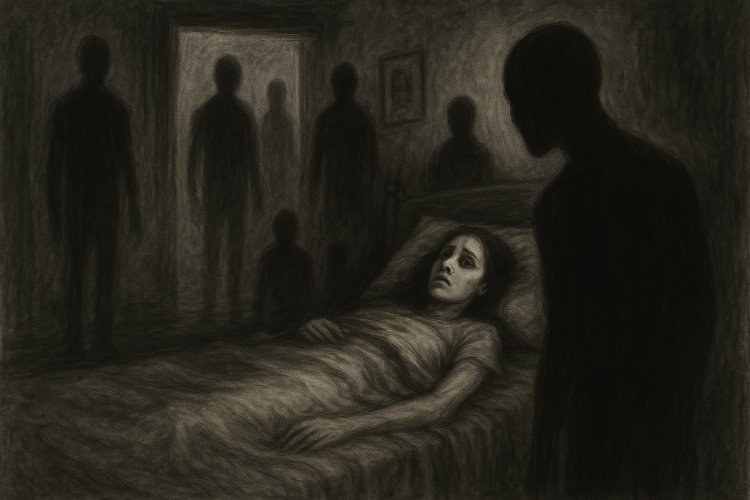





Have you ever woken up in the middle of the night, unable to move, with a strange feeling that someone is in the room? For many people, that moment of fear feels supernatural — like a ghostly presence watching them. But what if science says there’s another explanation for this terrifying experience?
Sleep paralysis is a state where your mind wakes up, but your body doesn’t. You’re fully aware of your surroundings but can’t move or speak, no matter how hard you try. Many people also see or feel things that aren’t really there — dark figures, whispers, or pressure on the chest — which makes the experience even more frightening.
Across the world, people have tried to explain sleep paralysis in their own ways. In India, some call it a visit from spirits
while in Western countries, old stories talk about witches sitting on the chest. Even though the experiences sound similar, the beliefs behind them change from place to place. It shows how our culture and imagination shape the way we understand fear.
Scientists say sleep paralysis happens when the brain wakes up during a stage of sleep called REM. During REM, our bodies stay still so we don’t act out our dreams. But sometimes, the brain wakes up too early, while the body is still in that frozen state. That’s why people can see dream-like images or feel a strange presence even though they’re actually awake.
Even though it feels terrifying, sleep paralysis is actually harmless and quite common. Doctors say it can happen because of stress, irregular sleep, or exhaustion. Keeping a steady sleep schedule, avoiding screens late at night, and managing stress can help prevent it. Once people understand what’s happening, the fear slowly fades — and the “ghost” turns into just another trick of the mind.
Sleep paralysis reminds us how closely science and mystery are connected. What feels like a ghostly encounter is often just our brain caught between dreaming and waking up. It shows how powerful the mind can be — creating fear, stories, and even supernatural experiences, all while we lie safely in bed.