

Rebuilding Gaza Strip: The Unresolved Battle Over Who, How and When
The struggle to rebuild Gaza after years of destruction has become a complex geopolitical standoff. While billions of dollars are needed for reconstruction, no consensus exists on who should lead or fund the process. Israel, the U.S., Arab nations, and Palestinian factions each propose different visions for Gaza’s governance and recovery. The Palestinian Authority seeks control, while Israel and Western allies hesitate, fearing renewed instability. Meanwhile, Gaza’s civilians remain trapped in a humanitarian crisis, with infrastructure shattered and aid efforts hindered by political divisions. The future of Gaza’s reconstruction now hinges not just on resources, but on resolving the region’s enduring power struggle.
 Rachna Das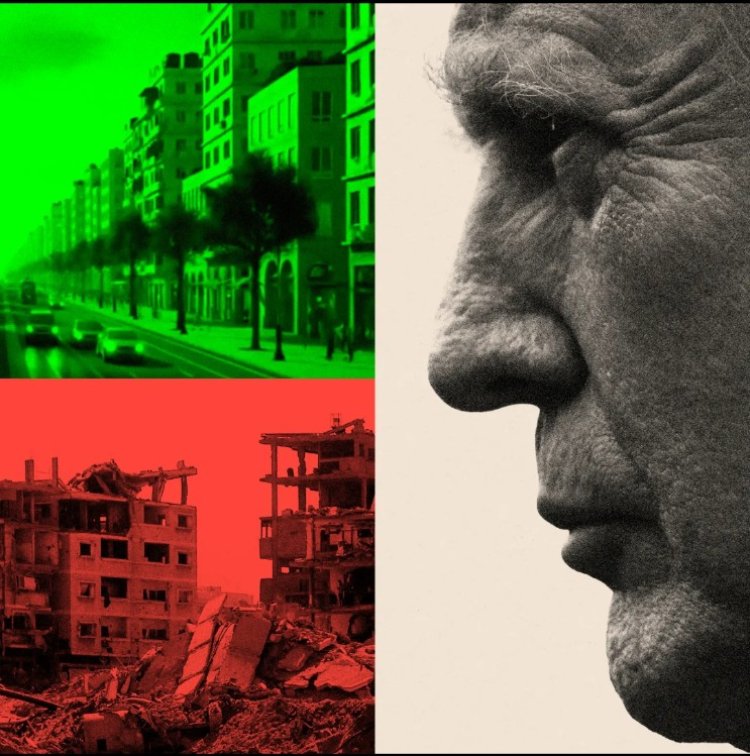





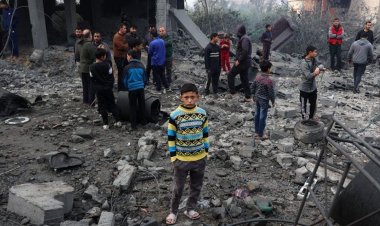
The future of Gaza’s reconstruction remains uncertain as political divisions, security concerns, and funding disputes overshadow humanitarian needs. After years of devastation, Gaza’s infrastructure lies in ruins—homes, hospitals, and schools reduced to rubble. Yet, despite international pledges of billions in aid, no consensus exists on who will lead the rebuilding process.
Arab nations advocate for the Palestinian Authority to take charge, arguing it represents the legitimate government. However, Israel and the United States remain cautious, citing fears of mismanagement and the risk of renewed conflict. Meanwhile, Hamas, which still wields control in Gaza, is largely excluded from reconstruction talks, further complicating the political landscape.
Aid organizations warn that if the stalemate continues, it could take decades for Gaza to recover. Access to essential materials remains blocked, and thousands of displaced families still live in temporary shelters. The struggle over who rebuilds Gaza has evolved into a larger fight over who governs its future.
For Gaza’s 2 million residents, the political gridlock has real consequences — as hopes for stability and recovery fade, the promise of a rebuilt homeland feels increasingly out of reach.