


The Gaza Ceasefire: Hope, Grief, and What Comes Next
As Gaza takes a fragile breath under the latest ceasefire, its people stand between hope and heartbreak — rebuilding not just homes, but lives.
 Swati Dubey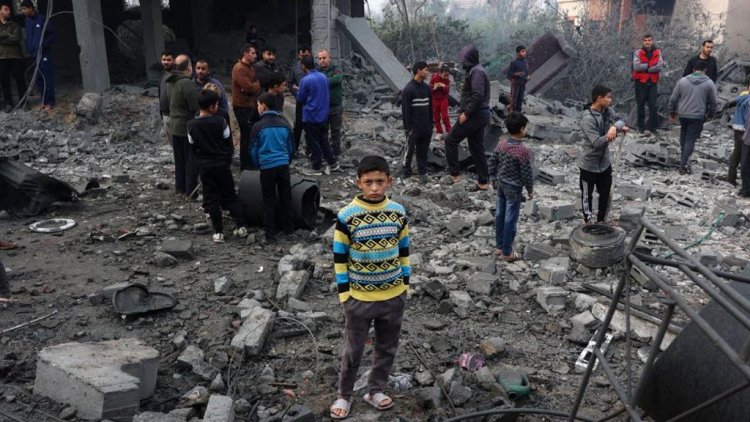





The ceasefire in Gaza has brought a small hope for calm after months of nonstop bombings, displacement, and loss. Streets that were once filled with chaos are now covered in silence — a silence that feels heavy with grief and emptiness. Families who had fled are slowly returning, searching through the debris for traces of their homes — a photo, a toy, a book — but only dust remains. People in Gaza are finally breathing without fear, yet this isn’t peace; it’s a temporary stillness, a pause that reminds everyone how quickly quiet can break. Some around the world call it a turning point, while others know that peace has always been a promise broken too many times for Gaza.
Behind every headline and political statement are the stories of people trying to survive what’s left. Children who haven’t slept without nightmares, parents who wake up counting the faces still around them. Hospitals that were once healing spaces now serve as shelters, their halls filled with both patients and displaced families. Doctors and volunteers work tirelessly, often with no rest, using whatever little supplies they can find. Aid has begun to arrive, but not nearly enough to match the wounds left behind. Yet even in all this pain, there are moments that speak of resilience — families sharing what food they have, neighbors rebuilding fallen walls together, and teachers trying to restart classes inside torn tents. It’s these quiet acts of courage that show Gaza’s real strength lies not in power, but in people who still choose to hope.
Now, as the ceasefire holds, the focus slowly shifts to rebuilding — not just homes and streets, but a sense of safety and normal life. The damage runs deeper than broken buildings; it lives in memories, in children flinching at sudden sounds, in families unsure if they should unpack their bags. World leaders talk of peace and recovery, but in Gaza, people have learned to trust actions, not promises. Still, hope finds a way to exist — in markets opening again, in laughter that feels unfamiliar but real, in people planting flowers where bombs once fell. For Gaza, hope isn’t a luxury; it’s survival. The ceasefire may not heal the wounds, but it gives a chance to breathe, to rebuild, and to believe that maybe, this time, the silence will last a little longer.