

Trump’s Comeback: The Politics of Spectacle
As America stands on the edge of another election year, Trump’s comeback proves that in modern politics, attention is power.
 Swati Dubey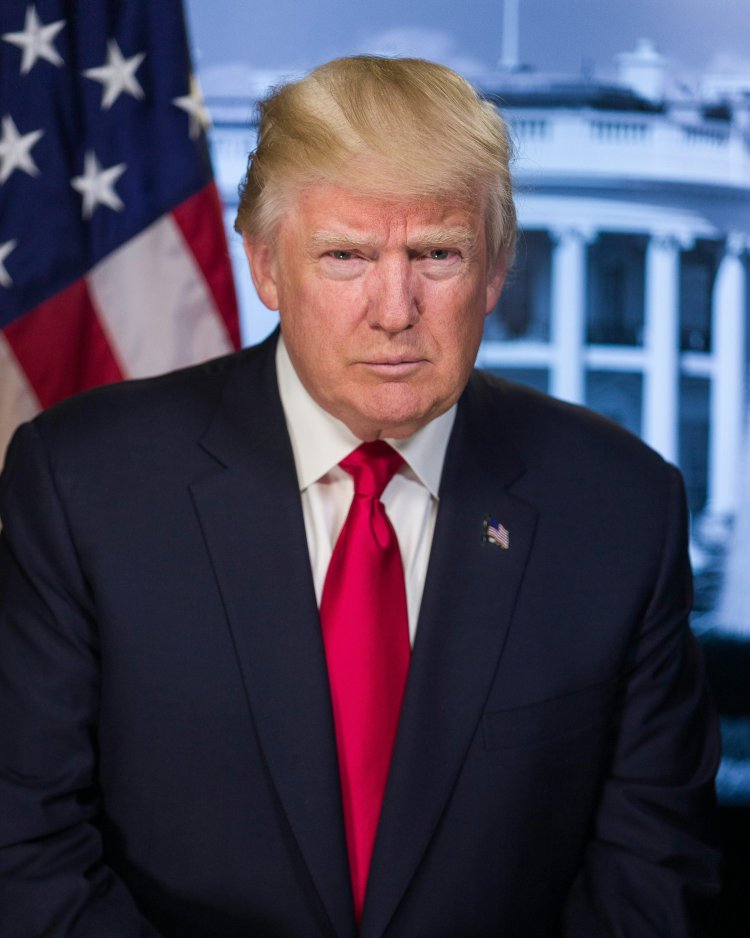





It’s November 2025, and Donald Trump is once again at the center of America’s political storm. His campaign rallies look less like political events and more like stage shows — full of drama, nostalgia, and defiance. For many, his return is a warning; for others, it’s a revival. But either way, Trump remains the most watched figure in global politics. His ability to dominate attention hasn’t faded — it’s evolved. Even after years of controversy and legal battles, his message still cuts through the noise, proving that charisma can outlast chaos.
What makes Trump’s second act so striking is how well he understands modern media. Every outburst, every statement is crafted for virality. His speeches are less about policy and more about performance — a mix of grievance, humor, and bravado that keeps his base loyal and his critics reactive. In a time when attention is the new form of influence, Trump plays the game better than anyone. Whether he’s trending for his words or his court cases, he remains impossible to ignore — and that’s exactly how he wins.
Trump’s comeback tells us as much about America as it does about him. He represents a political system where outrage overshadows reason, and image beats ideology. As 2026 approaches, the question isn’t just whether Trump can win again — it’s whether democracy can survive the constant performance it’s become. Because in the politics of spectacle, truth is optional, but presence is everything. And Trump, once again, is everywhere.