

Meme Politics: How Humor Became a Weapon in Modern Campaigns
In the digital age, memes have become powerful political tools — shaping opinions, spreading messages, and turning humor into influence.
 Swati Dubey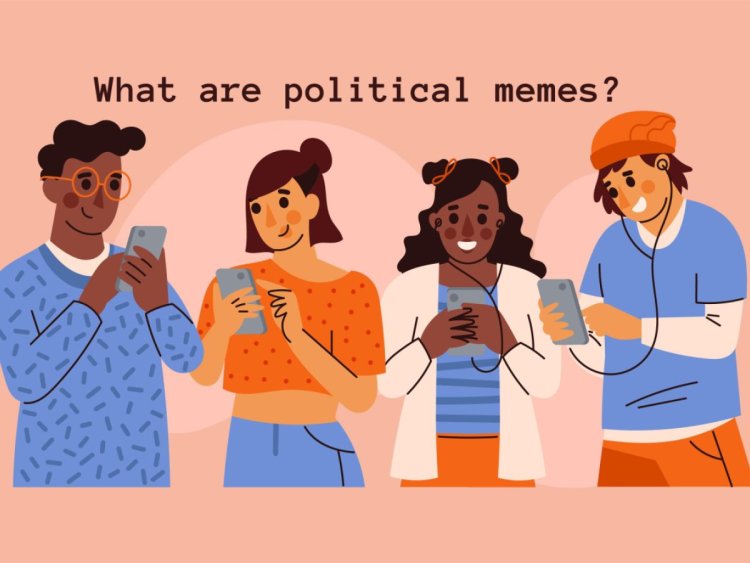





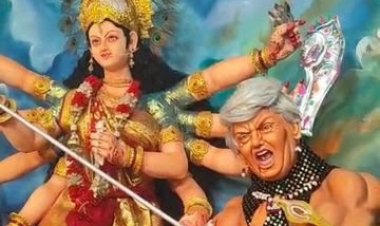
Politics has always relied on slogans, speeches, and symbols — but now, it’s memes leading the charge. What used to be casual internet jokes have evolved into powerful political tools, capable of shaping public perception faster than any campaign ad. Memes simplify complex issues into bite-sized, shareable content that spreads across timelines in seconds. They’re funny, relatable, and often brutally honest — the perfect recipe for viral persuasion in an age of short attention spans.
For younger voters, memes are more than entertainment; they’re a form of political expression. They make heavy topics accessible, turn policies into punchlines, and expose hypocrisy with humor. Campaign teams have caught on too, hiring digital strategists who understand that a well-timed meme can do what traditional messaging can’t — make politics feel personal and relevant. The new battleground isn’t the debate stage, it’s the comment section.
But meme politics is a double-edged sword. While humor can unite and engage, it can also misinform or oversimplify real issues. Satire blurs into propaganda, and virality often trumps truth. Still, one thing’s clear — in the age of social media, the internet has rewritten the political playbook. A clever meme can shift conversations, build movements, and sometimes, even decide elections.