

From Kirana to QR: How Digital Payments Are Transforming Everyday India
From small kirana stores to city cafes, India’s digital payment story is redefining how we buy, sell, and trust money itself.
 Swati Dubey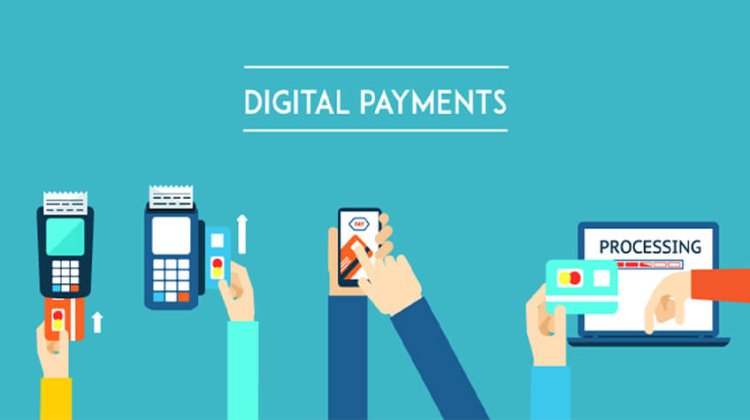





If you’ve been to any small shop lately, you’ve probably noticed something that feels quietly revolutionary — the QR code. It’s on every counter now, faded or fresh, sometimes taped next to a photo of a deity. For millions of Indians, especially in smaller towns, this little square of black and white has changed the way money moves. You don’t need exact change anymore, just a smartphone and a few seconds. The phrase “payment received” has become a new kind of background music to India’s daily life.
In states like Bihar, where cash once ruled every transaction, digital payments have become a surprising equalizer. Local vendors, vegetable sellers, and even auto drivers now prefer UPI over cash — not because someone told them to, but because it’s easier, safer, and faster. Small businesses that once struggled with record-keeping are now tracking sales digitally. For many, it’s their first real step into the formal economy. The change feels organic, like India skipped a step and jumped straight into the future.
Still, this digital leap isn’t without its hurdles — patchy internet, payment failures, and growing cases of online fraud are real concerns. But even with those challenges, the shift toward a cashless economy feels unstoppable. What’s beautiful is how human this tech story is: ordinary people adapting, learning, and trusting something new. India’s payment revolution didn’t start in boardrooms — it started in chai stalls, rickshaws, and kirana shops. And it’s still spreading, one QR scan at a time.