

AI and the Future of Truth
In a world where AI can fake anything, the real question isn’t what’s true — it’s who we choose to believe.
 Swati Dubey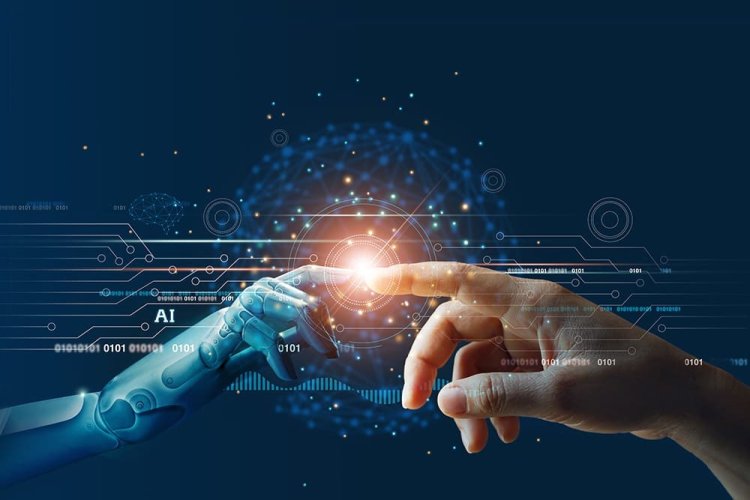





We’ve entered an age where reality can be rewritten with a few clicks. AI-generated images, cloned voices, and deepfake videos are no longer science fiction — they’re part of everyday news feeds. What was once proof — a photo, a video, a recording — can now be doubted. This new digital world feels exciting and terrifying at the same time. Technology that was built to create convenience is now quietly changing something deeper: our ability to trust what we see.
The problem isn’t just that AI can lie — it’s that people can believe those lies if they fit their emotions. Deepfakes spread faster than facts because they’re designed to provoke reaction, not reflection. Politicians, influencers, even ordinary users now have tools powerful enough to manipulate millions. The line between information and imagination has blurred. And somewhere between the algorithms and the outrage, truth has started to feel like just another opinion.
Yet, amid the noise, there’s still hope. As AI grows more powerful, so does awareness. People are learning to double-check, to question, to pause before they share. The fight for truth in the AI era won’t be won by machines — it’ll be won by mindfulness. In the end, the future of truth depends less on technology and more on human honesty. Because no matter how advanced AI becomes, it can’t replace integrity.