

Crafting a Living: How Urban Women Are Turning Crochet, Clay & Chores Into Survival
In India’s urban centers, women from working-class backgrounds are weaving survival out of creativity. Between domestic chores and day jobs, many are turning to crafts like crochet and clay art — transforming everyday skills into sources of income and empowerment. Their work not only sustains families but also challenges the boundaries between labour, art, and identity.
 Rachna Das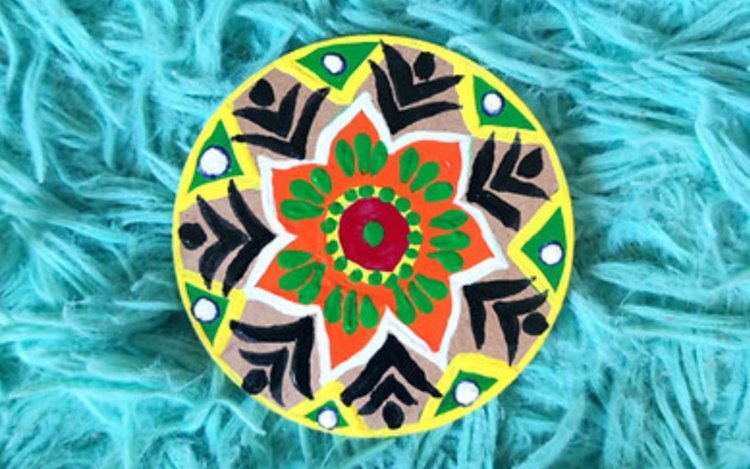





In India’s bustling cities, a quiet revolution is unfolding in the hands of women who balance work, art, and domestic responsibilities. From crocheting colourful bags after finishing household chores to molding clay pots in small balconies, urban women are transforming their creative skills into a means of survival and self-expression.
Take Delhi’s Maya and Kausilya — domestic workers who spend their evenings crocheting tote bags and selling them online through a women-led collective. In Mumbai, a community workshop trains part-time workers to sculpt clay figurines and sell them at local fairs. What began as a side hustle has evolved into a movement redefining what “work” means for women who have long been invisible in the economy.
These handmade crafts are more than art; they are acts of resilience. Each piece reflects not just creativity but courage — a way to reclaim identity, dignity, and independence in an urban landscape that often limits women’s choices. Experts say with more institutional support, such micro-enterprises could reshape India’s creative economy — proving that between crochet, clay, and chores lies a new model of empowerment and survival.