

Rahul Gandhi and the Rebranding of Indian Politics
People’s leader — Rahul Gandhi’s evolution is reshaping how India views sincerity in politics.
 Swati Dubey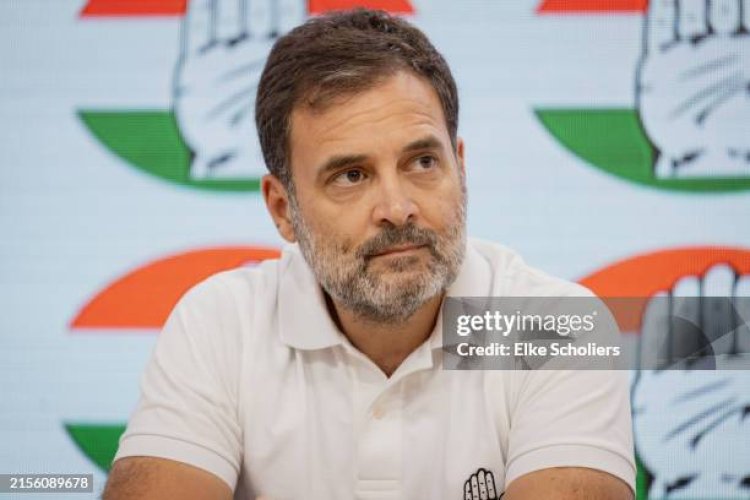





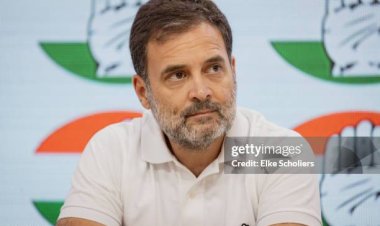
Rahul Gandhi’s journey over the last few years has been less about politics and more about perception. Once mocked and dismissed as out of touch, he has steadily rebuilt his image through consistency, presence, and quiet persistence. His Bharat Jodo Yatra was more than a political march — it was a walk through India’s divides, both visible and invisible. The simplicity of his approach — walking, listening, showing up — struck a chord in an era where politicians often lead from podiums, not pavements.
Rahul’s transformation isn’t overnight; it’s the result of showing emotion in a space where it’s usually seen as weakness. He speaks of empathy, love, and unity — words that don’t always trend but stick with those tired of anger-based politics. His growing connection with young people, farmers, and workers has redefined how sincerity is perceived in leadership. Whether it translates into votes or not, the change in tone has already shifted the narrative: politics doesn’t always need to shout to be heard.
As India moves toward another election, Rahul Gandhi’s political rebranding stands as a reminder that leadership is a long game. In a climate where speed and spectacle dominate, his steady, people-first approach feels refreshingly patient. He may still polarize opinion, but he has brought back a language of compassion and listening into Indian politics — something the country, perhaps, needed to hear again.