

Duryodhana : The Misunderstood Prince Of The Mahabharata
Often seen as the villain of the Mahabharata, Duryodhana’s story reveals not just arrogance and ambition, but also loyalty, courage, and the tragedy of human pride.
 Swati Dubey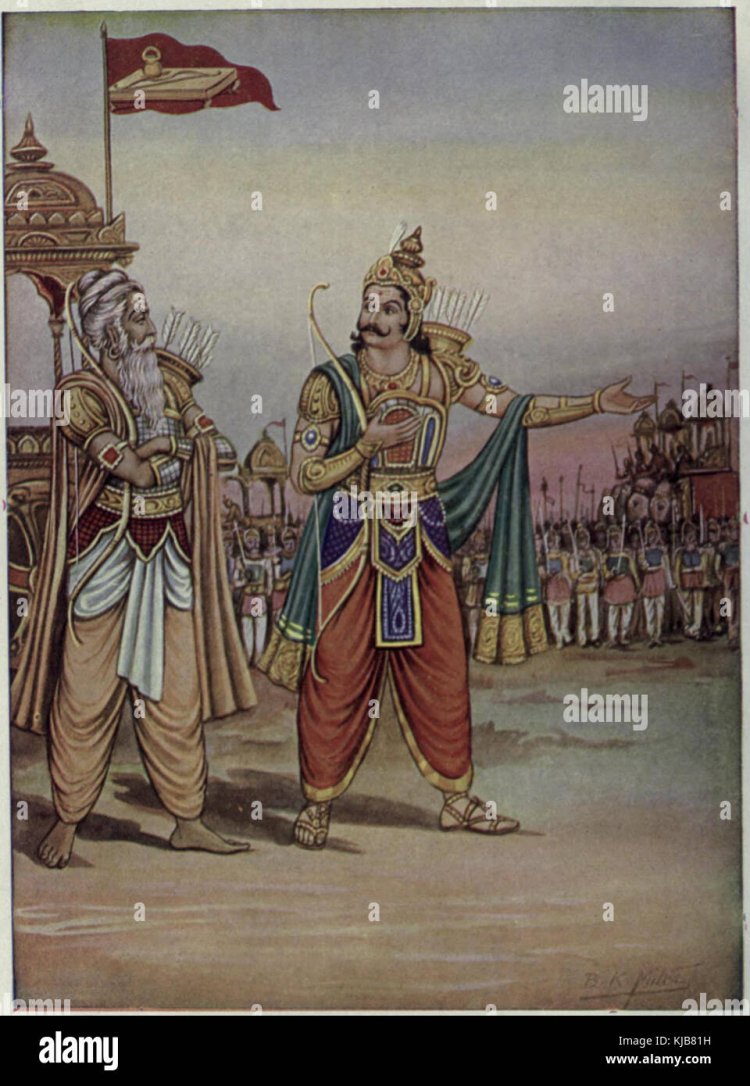





Duryodhana, the eldest of the Kauravas, has often been remembered as the villain of the Mahabharata. But behind his arrogance and anger was a prince shaped by rivalry, insecurity, and an unshaken sense of pride. Born into power and privilege, Duryodhana grew up constantly comparing himself to the Pandavas, especially Yudhishthira, whose claim to the throne challenged his own. His name itself means “the unconquerable,” and that strength showed not only in battle but also in his fierce determination to stand his ground — even when the world stood against him.
What makes Duryodhana such a complex figure is the mix of qualities within him. He was loyal, especially to his friend Karna, whom he supported when the world rejected him. That friendship showed his rare ability to look beyond status and see worth in another person. Yet, Duryodhana’s pride and jealousy blinded him to dharma — he often mistook his anger for justice. He believed the Pandavas had wronged him, and in defending his birthright, he slowly lost sight of wisdom. Still, even his enemies couldn’t deny his courage and leadership. On the battlefield, he commanded respect, not just as a warrior but as someone who never backed down from what he believed was right.
Duryodhana’s downfall is one of the most tragic parts of the Mahabharata. His ambition, once his greatest strength, became the reason for his ruin. The Kurukshetra war destroyed his family, his kingdom, and everything he fought to protect. But even in defeat, he faced his end with pride and dignity, earning Krishna’s acknowledgment for his bravery. Duryodhana’s story reminds us that good and evil aren’t always clear — that even the most flawed souls carry shades of truth, loyalty, and love. He wasn’t just the story’s villain; he was a man torn between righteousness and revenge, a reminder of how pride can be as powerful as it is destructive.