

One Year Of Women’s Reservation Bill : Has Anything Changed?
One year after the passing of the Women’s Reservation Bill, India is still waiting to see visible change, as questions remain about when and how the landmark law will actually be implemented.
 Swati Dubey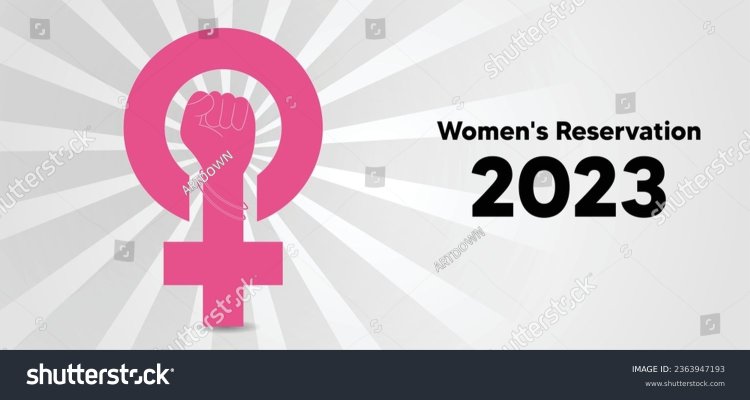





The Nari Shakti Vandan Adhiniyam was passed by Parliament in September 2023, guaranteeing 33% reservation for women in the Lok Sabha and state assemblies. Politicians, activists, and citizens hailed it as a major step toward gender equality and a long-awaited victory for women’s representation in Indian politics. The law promised that one in every three elected representatives would be a woman. However, a year later, there are still no signs of its actual implementation, leaving many wondering when this historic promise will turn into reality.
Despite being passed unanimously, the law has not yet been implemented. The government has stated that it will come into effect only after the next census and delimitation process. Critics argue that such delays reduce the bill to a symbolic gesture rather than a real reform. Several opposition leaders and women’s rights groups have demanded a clear timeline, saying that women’s representation cannot be put on hold for procedural reasons.
It has opened important conversations about power, equality, and the need for women’s voices in policymaking. Yet without implementation, simply announcing the law will not bring any real change. Many young women believe this law has the potential to reshape Indian politics — but only if the government moves beyond promises and takes action. The true success of the Women’s Reservation Bill will depend not on its passage, but on how soon India makes space for its women in positions of power.